Events arrive late, twice, or not at all
Scans, EDI, and partner APIs are imperfect. The domain model has to tolerate repair, not assume a happy path.
Services
Eight capabilities, one operating estate.
AI, cloud, software, data, and business systems designed to work together.
All servicesIndustries
Sector constraints, written as they show up.
Operating patterns we plan around in each sector.
All industriesCompany
Built around engineering.
How we think, how we work, and how to start a conversation.
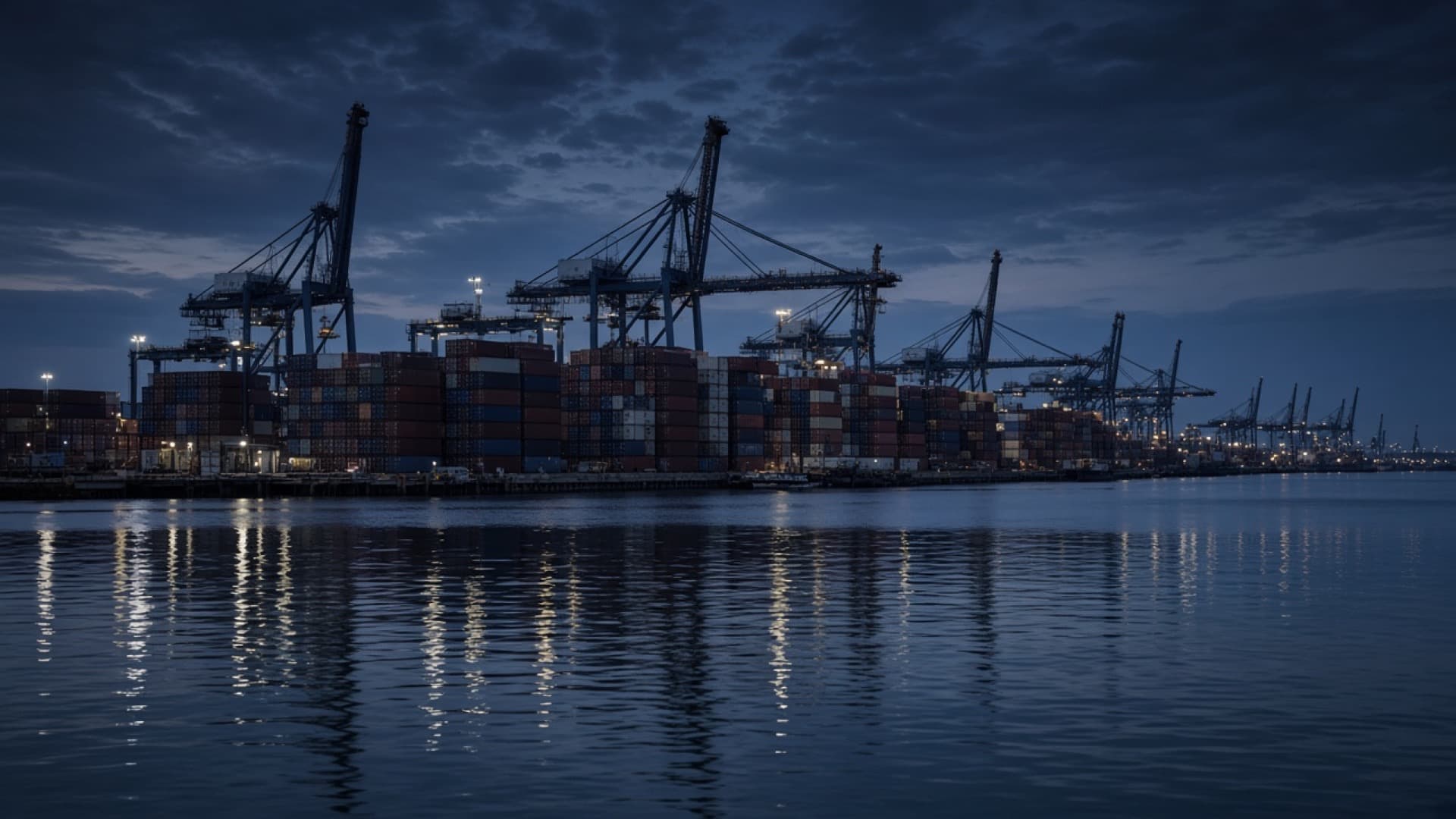
Goods move through partners you do not control. The useful systems in this sector are the ones that accept messy events, reconcile them, and still give planners a picture they can act on today.
Illustrative sector patterns. No implied carrier, 3PL, or shipper case studies.
Challenges
Scans, EDI, and partner APIs are imperfect. The domain model has to tolerate repair, not assume a happy path.
No single vendor sees the whole journey. Integration and identity of a shipment matter more than another tracking page.
Transport, warehousing, duties, and failure costs live apart. Margin conversations stay anecdotal.
Patterns
Ingest partner events, deduplicate, and store an auditable timeline even when messages are late.
EDI and API mappings versioned, tested, and owned — not a folder of sample files.
What is late, what is unclaimed, what is burning cost — not a map that only looks good in a demo.
Models that read carrier messages and shipment events, classify the exception, and draft the next action for a coordinator to approve.
Services
Tell us what you are working on, where the current systems fall short, or what you want to make possible. We will help you identify the next practical step.